


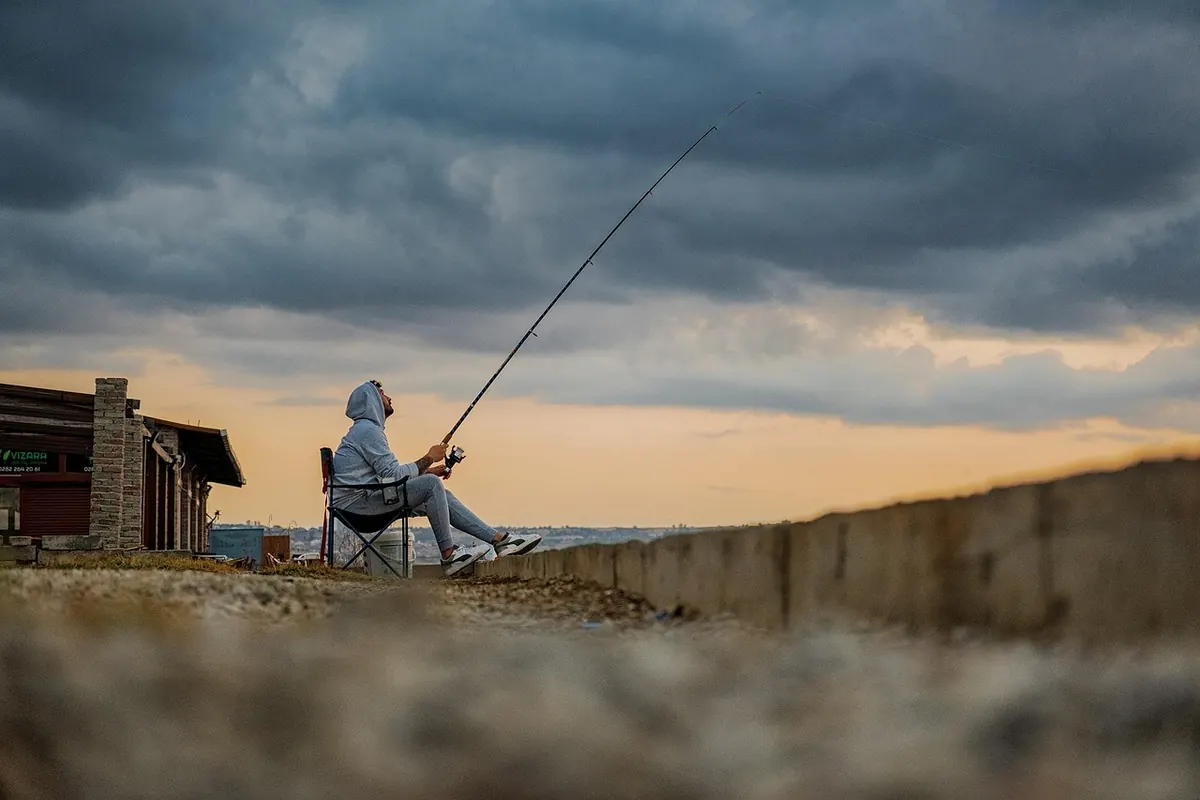

Standing on the bank of a Scottish loch at first light, mist on the water and a trout rising thirty yards out, is one of the great quiet pleasures of living here. The fishing itself is rarely free. Almost every loch belongs to somebody’s fishings — an estate, a local angling club, a trust or a private owner — and turning up with a rod without sorting that out first is how beginners end up in an awkward conversation, or a worse one.
What follows is the groundwork: how to find water you can legally fish, what a permit actually buys you, the kit you genuinely need from the bank, and the etiquette that decides whether you’re welcomed back next season.
Find Out Who Holds the Fishing First
Scotland’s access laws give you responsible access to land and inland water for recreation — walking, swimming, paddling. That access does not include fishing. Fishing rights are a separate legal property, and you need the permission of whoever holds them. There is also no national rod licence for freshwater fishing in Scotland, so the piece of paper you need comes from the club, estate or trust rather than a government website.
Salmon and sea trout always require permission, and the rules around them are strict, with seasons and methods that vary from region to region. For brown trout, perch and pike, the picture is simpler but the principle is the same: no permission, no fishing. Fishing without it can be treated as poaching.
Places to start looking:
- Your nearest angling association — most towns and villages have one, and many sell day tickets.
- The estate or farm office, if you know who owns the ground.
- The tackle shop in the nearest town. Staff usually know exactly which lochs are day-ticket water and which are strictly private.
- Hotels, guesthouses and some tourist information points, which often act as permit agents.
If a hill loch has no obvious permit system, the answer is still to ask. Knock on the door, be polite about it, and you’ll find a request is rarely refused.
What a Permit Covers, and What It Doesn’t
Conditions vary wildly between waters, and the small print is where beginners come unstuck. Read it before you travel, not on the bank.
Things to check every time: whether the permit is fly only or allows bait and lures; whether you may keep fish and how many; how many rods are covered; the hours you may fish; whether a boat is included or it’s bank only; and whether the owner wants a catch return at the end of the day. Season dates matter too — the brown trout season generally runs from mid-March to early October on many waters, though individual lochs differ, and salmon seasons vary around the country.
Ask which bank you’ve bought
This catches people out constantly. A permit often covers one shore only, and the far bank may belong to a different owner entirely. Ring the club secretary or estate office and ask directly. Ask, too, whether you can take a dog, and whether the track to the shore is usable in a normal car.
Keep the permit on you and keep it dry. It is personal — you can’t lend it to a friend for the afternoon.
A Starter Kit for Bank Fishing
You don’t need much, and you certainly don’t need the top of the range. A sensible first setup covers most bank fishing on Scottish lochs:
- Rod and reel. A 9–10ft spinning rod rated roughly 10–40g with a 3000-size fixed-spool reel will handle pike, perch and stocked trout on lures and baits. If you want to fly fish for trout from the shore, a 9–10ft rod rated #6 or #7 with a matching reel and a floating line is the standard starting point.
- Line. 8–12lb monofilament is plenty for bank work. Braid is worth considering if you’re casting lures for pike.
- Terminal tackle. Floats, split shot, hooks in a few sizes, swivels, and a small box of spinners and spoons in silver, gold and black.
- A landing net with knotless mesh. Required on many permits, and far kinder to a fish you intend to release.
- Unhooking tools. Forceps or long-nosed pliers, a disgorger, and side cutters for cutting a hook.
- An unhooking mat if pike are likely. They look armoured; they aren’t.
- Polarised sunglasses. They cut the glare and show you where the bottom shelves away. They also protect your eyes from a badly timed cast.
- Clothing. Layers, a waterproof shell, boots with grip, and a midge head net from May onwards.
- A small rucksack with water, food, a basic first aid kit and a torch.
Buy that lot gradually. A rod, reel, line, a handful of spinners, a net and a pair of forceps will catch you fish for your first half-dozen trips.
Reading a Loch From the Bank
Water that looks featureless from the car park rarely is. Walk a stretch before you cast and look for points and promontories, inflows, boulder fields, weed beds and the line where shallow gravel drops into deeper water. Trout work along wind lanes and the edge of weed. Pike sit tight to structure and drop-offs. Perch shoal around weed in the warmer months.
Dawn and dusk are the best hours on most lochs, and a flat calm at midday is the hardest conditions you’ll meet. Fishing into the wind usually produces more, if you can cast safely. If it’s blowing hard enough to make that miserable, find a sheltered bay instead and fish it properly.
Etiquette: The Bit That Gets You Invited Back
Most of this is ordinary courtesy, but it matters more on a working estate than it does on a public park.
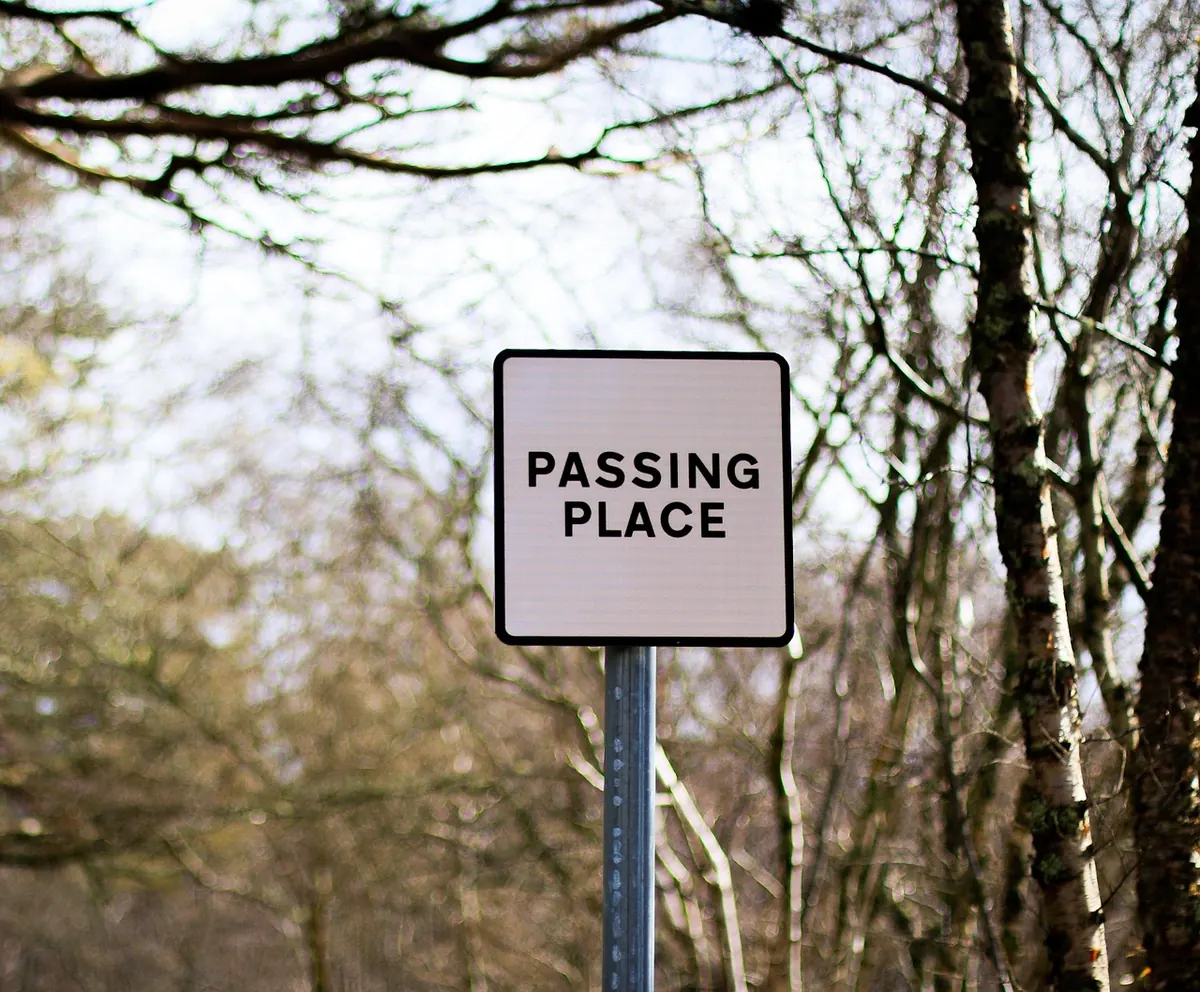
Leave gates as you find them — closed if closed, open if open. Give livestock room, especially cows with calves and ewes with lambs, and keep dogs under proper control or leave them at home. Park so you’re not blocking a field gate, a track or a passing place; on single-track roads, never leave a car sitting in a passing place.
Everything you bring goes home with you, including tangles of line, bait packets and tinfoil. Discarded line kills birds. Light no fires.
With other anglers, space is the whole game. If somebody is working along a bank, walk well behind them or wait, and don’t cast into water they’ve just covered. A nod and a quiet word costs nothing. So does keeping your voice down.
Handle every fish you intend to release with wet hands, unhook it quickly, support it properly and keep it in the water. Don’t hold trout by the gills or lay them on dry stones for a photograph.
Check, clean, dry
Invasive species and fish diseases spread between waters on wet kit. Clean and dry your net, waders and boots between trips — drying kills most of what you’re carrying. Never move fish or water from one loch to another, whatever the temptation.
Weather, Water and Safety
Loch weather turns quickly. A wind funnelling down a glen can take a flat calm to whitecaps in minutes. Tell someone where you’re going and when you expect to be back, because phone signal on many lochs is patchy or absent, and carry a whistle.
If you wade, wear a wading belt and consider a buoyancy aid, and don’t wade deep on a loch with a soft bottom — silt shelves can drop away without warning. Cold water shock is the real risk, not swimming ability, and it’s worth reading up on before your first trip with waders.
Fresh water carries leptospirosis, a bacterial infection spread in rodent urine. Cover cuts, wash your hands before eating, and if you develop flu-like symptoms in the weeks after fishing, mention to a doctor that you’ve been in fresh water. That’s general information rather than medical advice — for anything concerning, speak to a GP or pharmacist.
And if you’re ever unsure about access, seasons or what a permit allows on a particular loch, ask the local angling club, estate office or fisheries trust before you go. For legal questions about fishing rights, take proper advice.
Your First Trip, Step by Step
- Pick a day-ticket loch within an hour of home, and
Photo: alper_eral / Pixabay