





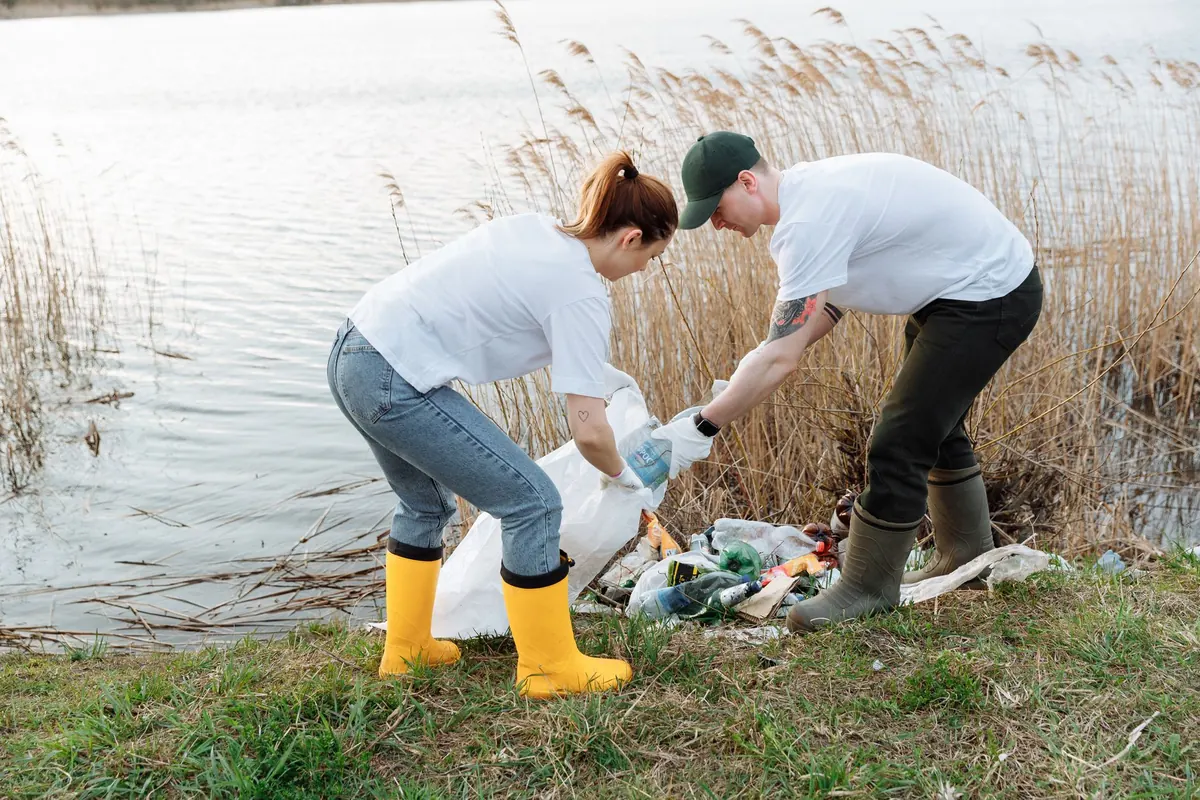
A clean shoreline looks effortless. Getting forty volunteers to leave one behind with the right gloves, the right bags and no injuries takes a bit more thought. Whether you are tidying a Highland loch shore, a reservoir above Greenock or the banks of the Forth, the difference between a satisfying morning and a frustrating one comes down to preparation: permissions sorted, kit borrowed, waste arranged, and everyone home by tea.
Start With the Land, Not the Date
Who owns or manages the ground matters more than anything else on your plan. Scotland's access rights cover most land and inland water, so you can walk and swim almost anywhere responsibly — but an organised event with a group, vehicles and a pile of bags is a different thing from a Sunday stroll. Check the Scottish Outdoor Access Code, then ask.
On council land — parks, esplanades, car parks, many foreshores — phone the local authority's access officer or countryside ranger service. They can tell you about permits, bins, uplift and any events already booked. On private land, speak to the estate office, farm or community trust. If the site sits inside a national park, a nature reserve or a designated site, loop in the ranger or the managing body early; they will know about nesting birds, spawning burns and paths that flood.
Give yourself three or four weeks. Permission requests sit in in-trays, and a short-notice refusal is harder to argue with than a well-made early ask.
Choose a Stretch You Can Actually Finish
A quarter-mile done properly beats a mile strung out with nobody in charge. Pick a clear start point, a turning point and a collection spot beside a road where a vehicle can reach the bags. Tides, wind and water levels all shape the day: a shore that is easy at low water can be cut off by a rising tide, and a west wind will push litter into the same corner all year, which is useful to know.
Walk the site yourself beforehand. Note the awkward bits — steep banks, barbed wire, a gate that will not open — and decide whether you will include them or leave them out. There is no shame in leaving a stretch to a smaller, better-equipped team.
The Kit That Earns Its Place
- Gloves — thick gardening or rigger gloves, plus spares for people who forget theirs
- Litter pickers — telescopic ones save backs and keep hands out of the water
- Heavy-duty sacks and hoops or frames to hold them open
- Separate bags or crates for cans, plastic bottles and glass
- Hi-vis vests if anyone works near a road or a car park
- A first aid kit and a named person who knows where it is
- Hand sanitiser, drinking water and a flask
- Waterproofs, sunscreen and midge repellent — often needed on the same day
- A sturdy box or sealed container for anything sharp, clearly labelled
- A wheelbarrow or trolley, and a driver willing to do the bag run
- A clipboard for the register, phone numbers and a tally of what you collect
Ask local businesses, community councils and outdoors groups to lend pickers and hoops rather than buying new. Borrowed kit also means borrowed goodwill, which tends to come back next year.
Safety Is Mostly Boring Planning
Water and cold
Nobody reaches into the water, and nobody wades — not even for a trolley that looks close enough to grab. Use an extended picker or leave it and report it. Keep children well back from the edge and paired with an adult at all times. If someone does end up in the water, do not follow them in: call 999 and use something that floats or a rope from the bank. Cold water is far more dangerous than it looks.
Sharps and unknowns
Needles, broken glass, medical waste, dead animals, drums and sealed containers are not volunteer jobs. Mark the spot, note the location, and report it to the council. Do not open anything, do not kick anything, and do not put unknown liquids in with the rest of the bags. Glass goes in a separate, sturdy container — it will slice through a thin sack and through the hand carrying it.
Health basics
Gloves on, cuts covered, hands washed before anyone eats. Long trousers and a tick check afterwards are sensible if you are working in long grass. If anyone feels unwell in the days after a pick, they should speak to a pharmacist, GP or NHS 24 rather than shrug it off.
People and plans
Have a register, a buddy system, a first aider and a written plan: meeting point, nearest hospital, what happens if the weather turns. Phone signal is patchy on plenty of loch shores, so agree a time to regroup and stick to it.
Sorting, Recycling and Getting It Shifted
Most shoreline litter is wet, sandy and mixed, and a good deal of it will have to go to general waste. Accept that early and you will save yourself an argument at the collection point. Separate what is genuinely clean and useful: aluminium cans, plastic bottles and glass are the usual candidates, but rules differ between councils, so ring the waste team beforehand and ask what they will take from a community clean-up, and whether they will uplift it from council land. If not, book a skip or a licensed waste carrier before the day — a mountain of bags with nowhere to go is the quickest way to sour a good morning.
Tyres, trolleys and fishing gear are common finds and rarely fit the normal system. Photograph them, note the grid reference, and ask the council or landowner how they want them handled.
Make It Worth Coming Back To
Count what you collect. Bags, rough weight, the odd items, and the stretches that had nothing at all — that last one is good news worth recording. Pass the numbers to the council, the community council and any local group that helped. It builds the case for another bin, a more frequent uplift or a change in how an area is maintained.
Feed people. Soup, tea and biscuits turn a chore into a morning out. Thank volunteers by name, take a before-and-after photo (asking first if anyone is identifiable), and set the date for the next one before everyone drifts off to their cars. A short message afterwards with the totals and a couple of photos keeps the group warm between picks.
The Week Before: A Short Checklist
- Permission confirmed in writing, with a named contact and their phone number.
- Site walked, route agreed, collection point checked for vehicle access.
- Risk assessment written, first aider confirmed, nearest hospital noted.
- Waste disposal booked — council uplift, skip or licensed carrier.
- Kit counted, cleaned and allocated; spares set aside.
- Weather forecast checked; a cancellation or postponement plan agreed.
- Message sent: meeting point, what three words or grid reference, parking, what to wear, what not to touch.
- Someone at the car park to direct people, and someone on bag duty.
If you finish the day with fewer bags than you hoped but no injuries, no arguments and a group already asking about next time, you have run a successful litter pick. The shoreline notices the difference — and so do the people who use it.
Photo: Thirdman / Pexels