



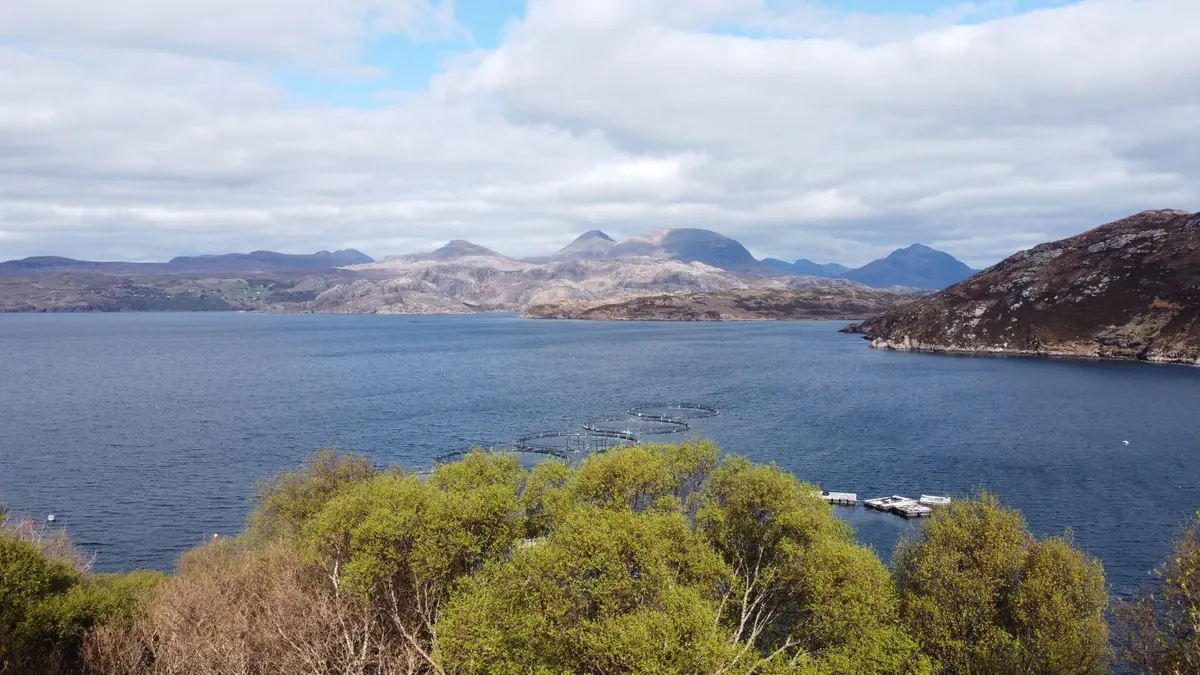
Lochs look inviting in photographs. Standing on the shore on a still morning, with mist lifting off the water, they look like the best idea you have had all year. Often they are. But the water in a Scottish loch is colder than almost anyone expects, and cold water does something to the body that a warm swimming pool never prepares you for.
That is not a reason to stay on the shore. It is a reason to go in with a plan: know roughly how cold it is, enter slowly, watch each other, and be clear about how you are getting out. Here is what that looks like in practice.
Know the temperature before your toes do
Many Highland lochs sit somewhere between about 8°C and 15°C at the surface in high summer, and winter readings of 3°C to 6°C are common. Deeper water stays colder still, and shallow bays can shift several degrees in a day depending on sun and wind. A loch that felt tolerable in August can feel brutal in June.
The first minute is the part that catches people out. Cold water triggers what is often called cold water shock: a sharp intake of breath, rapid gasping, a racing heart and a surge in blood pressure. It passes, usually within a minute or so, but it is the window when confident swimmers get into trouble.
You can train for it. Repeated short dips blunt the response over weeks, so start with two or three minutes and build gradually rather than aiming for a distance on day one. A wetsuit, neoprene boots, gloves and a bright swim hat make a real difference in spring and autumn.
If you have a heart condition, epilepsy, asthma or you are pregnant, speak to your GP before taking up cold water swimming. Cold water is a genuine physical stress, not just a bracing hobby.
Enter slowly, feet first
Walk in. Jumping or diving into a cold loch stacks two risks together: a submerged rock or old fence post you cannot see, and a gasp reflex that arrives while you are still under the surface.
Splash water on your face and wrists, breathe out slowly and keep walking until the water is deep enough to swim. If the gasp hits you, stop and float on your back until your breathing settles. Fighting it by swimming hard is how panic starts.
Keep an eye on the wind as well as the water. An offshore wind will push you away from the shore you came from, and waves can build surprisingly quickly on a long stretch of open loch. Flat and calm beats ambitious.
Read the loch, not just the forecast
Most Scottish lochs have no lifeguard, no signs and no one watching. A minute spent looking properly is worth more than any app.
- Drop-offs. Plenty of popular bays shelve gently for a few metres, then fall away sharply. Know where you can stand.
- Inflows and outflows. Currents near a river mouth or a loch's outflow can be stronger than they look, especially after rain.
- Algae. A thick green or blue-green scum near the surface is a bloom. Stay out, and keep dogs out too.
- Weeds and structures. Dense weed, old jetties, mooring chains and fishing lines are all easy to catch a leg or an arm on.
- Other water users. Boats, kayaks, anglers and ferries share the loch. A tow float and a bright hat make you visible; a dark swim cap does not.
- Access rules. Some reservoirs and private lochs do not allow swimming at all, and some car parks and laybys charge or close. Check locally before you drive.
- Cuts and grazes. Cover broken skin with a waterproof dressing. Leptospirosis is rare but real in fresh water.
Make the buddy system mean something
"I'm not swimming alone" only counts if the other person is actually watching. A friend on a walk along the shore, headphones in, is not a buddy.
Agree before you get in who is looking after whom, where you will turn around, and what signal means "I need help" — a raised arm and a shout is enough, as long as everyone knows it. Count heads when you enter and count them again in the water. If one of you is a stronger swimmer, they stay on the outside of the group.
Tell someone at home where you are going and when you expect to be back. Phone signal around lochs is patchy, so send the message before you lose bars, and note your location — a what3words reference is quicker to pass to emergency services than "the beach past the big pine".
Plan the exit before you are cold
Before you get in, look at where you will get out, not just where you got in. A shelving gravel beach, a slipway or a low grassy bank is what you want. Steep rock ledges and muddy banks are much harder to climb when your hands are numb.
Get out before you feel properly cold, not after. Numb hands, slurred words, a sudden urge to stop talking — those are the signals. Trying to prove something by staying in another five minutes is how a good swim turns into a bad afternoon.
Once out, get dry and dressed fast. Hat and socks first, then warm layers, then shelter. The odd bit is that you will often feel coldest ten to twenty minutes after you leave the water, as the blood returns from your chilled limbs. Sit it out with a flask of something hot, keep moving gently, and skip the celebratory drink until you are warm. Do not drive until your hands and feet are working properly.
If something goes wrong
- Float first. Roll onto your back, spread your arms and legs, and get your breathing under control. Do not try to swim hard while you are still gasping.
- Call for help. Shout and raise one arm. Conserve the rest of your energy.
- Rescue from the shore, not from the water. Talk to the person, reach with a branch or throw something that floats. Going in after them is how one casualty becomes two.
- Dial 999 or 112. Ask for the coastguard or the police and give your location clearly. Follow the call handler's instructions.
- For someone who is very cold: get them out of the wind, remove wet clothing, wrap them in dry layers and keep them horizontal. Do not rub the limbs hard and do not give alcohol. Call for medical help.
- If someone is unresponsive and not breathing normally: call 999, start CPR if you are trained, and keep going until help arrives or the call handler tells you to stop.
These are general steps, not a substitute for training. A basic first aid or water rescue course is worth a weekend, and far more useful than any amount of reading.
A short checklist before you leave the car
- Water temperature and wind direction checked, and a calm spot chosen.
- Someone knows where you are and when you are due back.
- Buddy briefed: how long, where to, what the help signal is.
- Towel, robe or big coat, hat, spare socks and shoes left within easy reach of the exit.
- Phone in a dry bag, and a hot drink in a flask.
- Tow float, bright hat, and a plan you are happy to abandon if the loch looks wrong.
Start small. Three minutes in a sheltered bay, a proper warm-up afterwards, and a note of how you felt an hour later, is a better first swim than twenty minutes you spend regretting. The lochs will still be there next weekend, and the weekend after that.
Photo: E Stephen / Pexels